FACTS
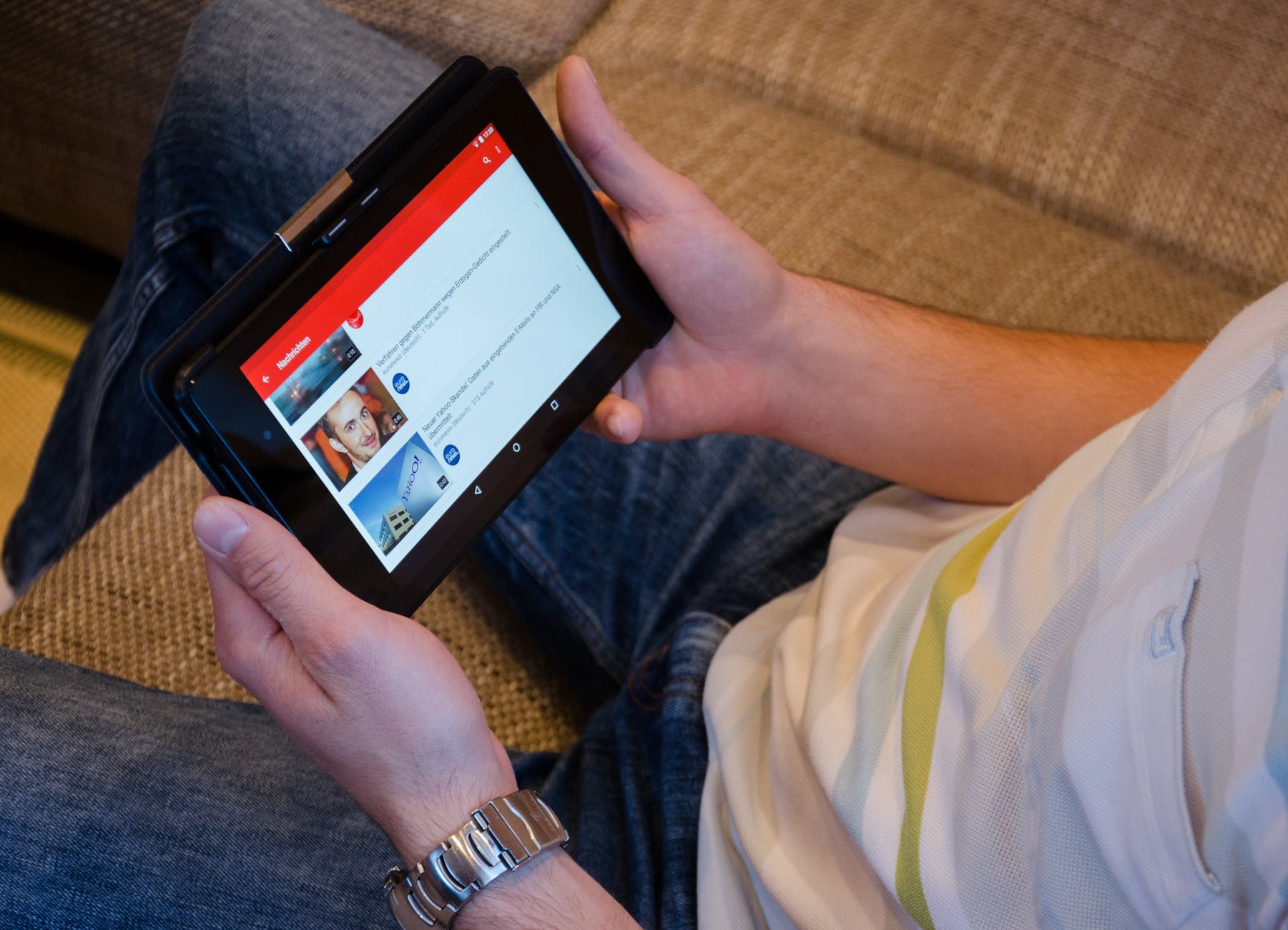
YouTube has banned the popular channel “SabLokTantra”, run by an activist named Mr Rachit Kaushik, for a week. The channel is known for dealing with/analyzing current affairs happening around the world and especially which are of importance to Indian society by using a satirical pattern and style. The channel SabLokTantra, having follower strength of around over 7.50 lakhs subscribers was banned/ removed from the public platform of YouTube.
Earlier also YouTube had temporarily suspended the channel twice for a week or so i.e. once for raising voice against the film ‘Toofan’ starring actors Farhan Akhtar and Mrinal Thakur in the lead role and the second time for presenting an episode over a crime of certain illegal infiltrators. During these times the channel was temporarily suspended for one week each mentioning hate speech or so as the reason.

As per the rules/policy of YouTube, YouTube permanently removes the channel when both previous strikes are active and the third time a violation of the rules is reported by any viewer or any such persons. But, as per the owner of the channel “SabLokTantra” Mr Rachit Kaushik there was no third strike on his channel and permanent removal action was taken vide an e-mail which was sent directly to the channel and nothing was told in it that due to which video/s such drastic step was taken against his channel having such a huge following.
Subsequently, the second channel of the same YouTuber/activist named ‘Truth & Dare’ was removed straight away without giving any warning. Such a move by YouTube has been criticized by many on social media including many you tubers themselves.
YouTube has several times deleted/demonetized videos of several content creators even in the past such as in or around May 2020 CarryMinati’s videos from the platform citing that it violated its terms and conditions and pulled down videos from channels of other creators like Elvish Yadav and Lakshay Chaudhary. In the recent past, even the channel of Elvish Yadav had received 1 strike and 7 days ban from YouTube after his channel was mass reported after he made a video wherein he is said to have factually countered certain allegations made by another content creator on his YouTube channel.
INDIAN LEGAL STAND ON SUCH ISSUES
The above act is a violation of freedom of opinion and expression, which is guaranteed to every Indian citizen as a fundamental right under Article 19 of the Constitution of India, 1950.
The content exhibited through internet platforms, like YouTube, Google India, online streaming platforms like Hotstar, Amazon Prime, Netflix etc, could not be regulated under the Cinematograph Act, 1952, therefore the content provided by these internet mediums went unregulated for a long time as well as there was no official body formed to entertain grievance of the person who was aggrieved or affected because of the activities of such platforms. The Information Technology (IT) Rules of 2021 have come into effect from 26th May 2021 which are framed to empower ordinary users of social media providing such victims of abuse at social media platforms to have a forum for redressal of their grievances. However such regulations/rules are newly formed and are at a very initial stage and people are yet to ascertain the effectiveness of such regulatory mechanisms therefore in case an aggrieved party chooses to sue YouTube which is an overseas online platform it will be an experimental case and will require to be dealt very effectively and carefully.
LEGISLATIONS/POLICIES IN OTHER COUNTRIES
On or around 1st February 2021, in Poland, a new draft act on freedom of speech on social media platforms was introduced by the Polish Ministry of Justice website. The draft act also provides that if a website blocks an account or deletes a certain entry, even though its content does not violate/infringe upon Polish law, the user will be able to lodge a complaint with the service provider. The provider must confirm that the complaint has been received and will then have 48 hours to consider it. If the provider dismisses the complaint, the user will be able to appeal that decision to the Freedom of Speech Council, which will consider the appeal within seven days. The proceedings before the council would be conducted electronically, to expedite the process and minimize the costs. The council will proceed in closed sessions. It will not take evidence from witnesses, parties, expert opinions and visual inspections, and the evidentiary proceedings before the council will boil down to evidence submitted by the parties (the user and the provider, represented by its representative in the country) or to information already known to the council.
Even Hungarian authorities might submit such a bill in their Parliament to enable freedom of speech on social platforms.
CONCLUSION
In the past few years, few social media companies have faced criticism from many for taking a more active role in going too far in their efforts to regulate content certain selective content/voices whereas not making any efforts in restricting or regulating the content/voices which are actually trying to spread misinformation or promote hate and/or disturbance in the society in general against certain culture, community, gender etc. and especially there are certain content creators who work full time content creators and earn their livelihood through their content creation on such platforms and in such case if channels of such creators are abruptly banned/deleted than it will likely to be a matter of worry and therefore even such content creators will also have to relax their financial dependence on such social media channels and simultaneously seek for better alternatives to promote their content among people and also the law of the land will have to frame appropriate and approachable procedures wherein such matters can be decided on merits and such social media companies can be sued and brought under the ambit of the law of the land even if the platform belongs to an overseas entity and be made more answerable to the aggrieved party.
Written by: Vaidehi Harshad Samant
Advocate, Mumbai
 LAWBEES