I vividly remember back in 2012- waking up to newspaper headlines which read Arsenal star, Nicklas Bendtner, fined for promoting his sponsor. The then 14-year-old me was confused as to what is all this fuss about which has led to Bendtner facing a competitive ban. This infamous incident was my first brush with Ambush Marketing. Intrigued I did a little more digging and learned that Nicklas while playing for his country, Denmark, in UEFA EURO 2012 scored a goal and in turn to celebrate removed his shirt which revealed his underwear which had the name of paddy power, a betting company from Ireland, printed in bold. Before the match the betting company had run an advertisement which said it was Nicklas’ lucky underwear. This irked UEFA as they had to face the music of its official sponsors for this guerrilla advertising tactic of paddy power. UEFA’s disciplinary panel imposed a hefty fine of 126,000$ and suspended Nicklas from Denmark’s next competitive fixture. UEFA’s website stated that the suspension will apply to the next 2014 FIFA World Cup match including the qualifying rounds for which Nicklas is eligible. [1]
Disciplinary proceedings against the Danish star were announced for improper conduct (law four of the laws of the game) which is related to the players’ equipment states- “Players must not reveal undershirts which contains slogans for advertising. A player removing his Jersey to reveal slogans will be sanctioned by the competition organiser”. Article 18.18 of the regulations of the UEFA Euro Championships 2010 to 2012 also states all kit items worn during the final tournament must be free of any sponsor advertising.
Though the Irish bookmaker, Paddy Power, announced that it will pay the fine on behalf of Nicklas it was still a good value for the publicity this stunt had gained. It can be seen that the guerrilla sponsorship works wonders when there’s a potential fallout and publicity which follows for example in this case the whole world was talking about Nicklas’ stunt and the fine imposed on him. “For brands entering into sport sponsorship it’s all about eyeballs” said Simon Chadwick, professor in sports business strategy at England’s Coventry University.
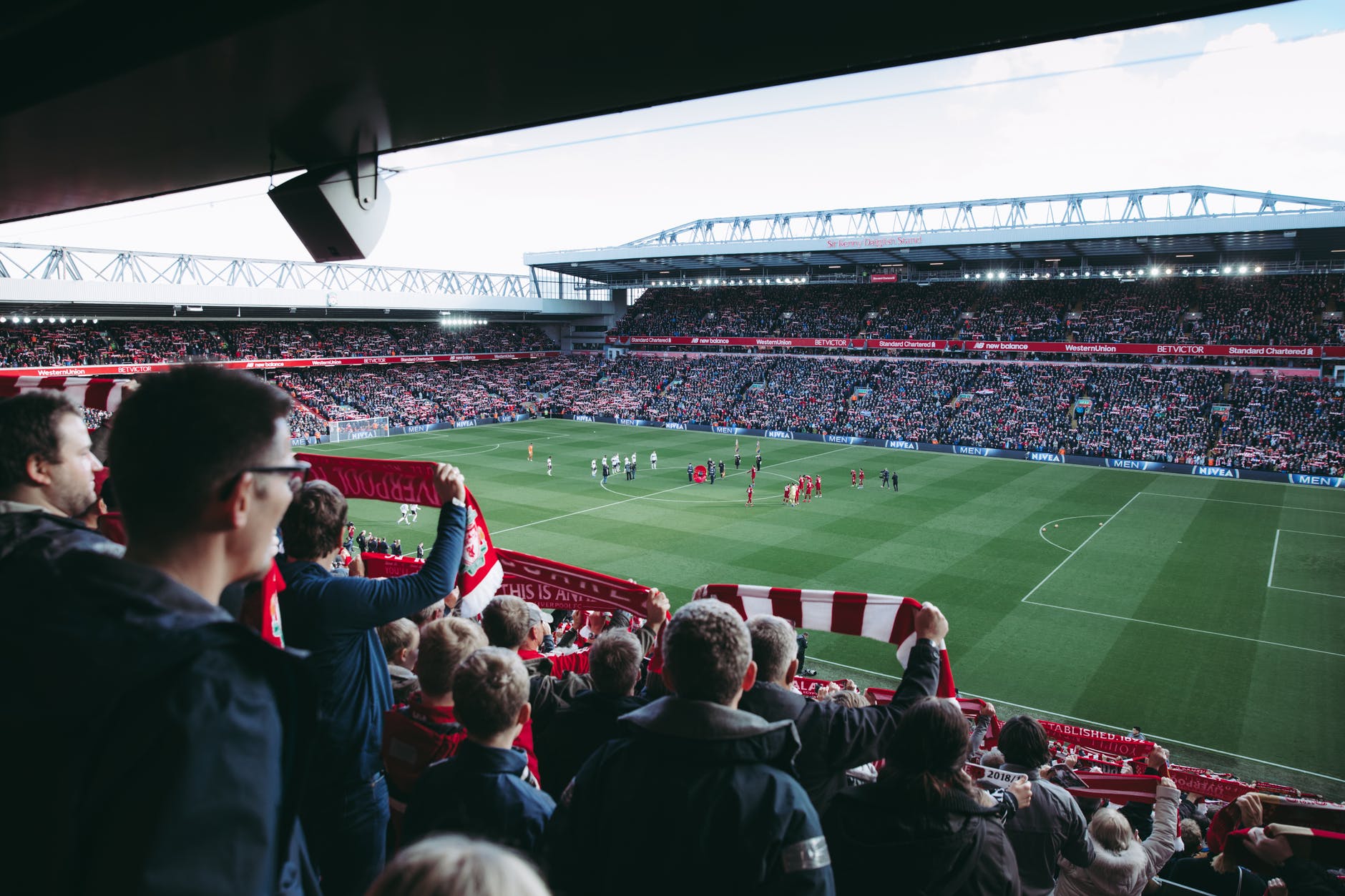
Definition of Ambush Marketing:
Ambush marketing is this promotion gimmick designed to confederate a company, product, or service with a particular event or to attract the attention of people attending the event without paying for an official sponsorship.
Types of Ambush
- Predatory Ambushing:
The attack of the official sponsorship of an event to such an extent that it creates a confusion as to which brand is exactly the official sponsor is called as predatory ambushing.
- Coattail Ambushing:
The coattail is a flap which hangs just below the coat like a leech attached to a dog. It’s a marketing strategy where the company gets publicity by sponsoring a player or a department which is a part of the event.
- Property/Trademark Infringement:
Here, there is an intentional misuse of trademarked logos or words which draws confusion among the consumers into thinking that the brand is related to the sporting event. Think London 2012 Olympics there was a strict probe against the usage of the words- gold, silver, bronze for advertising as many small brands were associating themselves with the event.
- Self-Ambushing:
A method in which the official sponsor breaches its own limitations which in turn infringes the sponsorship deal of another brand. During the 2008 euros Carlsberg- an official sponsor distributed head bands and t-shirts with their logos to the fans in the stadiums this infringed another brand’s exclusive rights of distributing their products.
Legality of Ambush Marketing
The legality of Ambush marketing is a grey area. Nevertheless, ambush marketing can be unlawful in the following cases:
- The advertiser can be sued if their company infringes the event owner’s trademarks, copyright, and other intellectual property rights.
- It could come under unfair competition (e.g., France and Germany) or unlawful passing off (e.g., UK) if the company creates a false or misleading association with the event.
- In some countries there’s a new trend of drafting special laws to protect the event owners, this can make ambush marketing a criminal offence.
- If the ambush gives negative publicity to the event, then the event owners can also sue for defamation of their event.
Ambush Marketing and Intellectual Property Law:
In the UK, a trademark under the Trademarks act, 1994 provides two-fold protection. Firstly, it safeguards goodwill garnered by the company and second it prevents the consumers from buying counterfeit goods or services in the mistaken belief that they originate from or are provided by another trader. Hence any unlawful use of any kind of logo or symbol relating to any event will be a case of trademark infringement.
In UK, a famous case between Arsenal football club and Mathew Reed throws light upon the above statement. It goes: Arsenal FC was a registered proprietor of the trademark for the word ARSENAL. Mr Reed, a businessman, was selling items and merchandise which had their registered trademarks of Arsenal but without applying for a licence from the Arsenal football club. The club sued him for trademark infringement and on the grounds of passing off. Mr Reed took the defence that he used the Arsenal name in a non-trademark way and as a badge of allegiance. The European Court of Justice ruled in Reed’s favour. Arsenal appealed and the Court of Appeal rightly rejected the Reed’s contentions and they ruled in favour of Arsenal.2 Hence it can be deduced that Copyright and trademark infringement occurs when there is a commercial use of benefit, the rights arising out of its privileges but without authorization or explicit attempt to associate with an event or without having a licence or use of words or symbols or pictorials deceptively same to the given event.
https://swanturton.com/arsenal-v-reed-in-the-court-of-appeal/2
Ambush Marketing and India:
Ambush marketing is prevalent in India because it’s a good way to draw attention to a company’s products without having to sign big pay checks for the same. But due to the rise of ambush marketing many sponsors who’re willing to pay huge amounts of money to sponsor an event tend to be demotivated, hence even if it’s a huge opportunistic marketing technique there should be certain limitations and laws should be enacted to keep a check on its legality. Almost in all cases there is infringement of trademark copyright or design rights hence the perfect recourse against ambush marketing would be the parties take some form of IPR recourse to prove that some statutory provision has been violated. Some of the actions that can be taken in India are-
- Trademark Infringement: If the aggrieved party holds a registered trademark and some unauthorised sponsor is using the trademark or a similar sign then the aggrieved party has the power to initiate infringement proceedings under section 51 of the Indian Copyright Act 1957.
- Passing off: passing off means when a company associates itself unlawfully with an event which makes the public believe that this company is associated with the event. For an aggrieved party to have a legitimate claim of passing off they should show that- 1) it has established reputation or goodwill. 2) The third party has made a misrepresentation making the public believe that it is somehow associated with the event. 3) The aggrieved party suffered or will suffer damages because of such representation.
- Copyright Infringement: When there is any unauthorised use of the symbol, tagline or logo of the aggrieved party then the party can file a suit under section 51 of Indian copyright act, 1957.
Steps to Curb Ambush Marketing:
- Intellectual and Industrial Property Rights:
It is the first recourse against ambush marketing. Every country has its own IP laws which makes it the ideal step to curb ambush marketing. But this is an obvious method which can only be used against amateur ambushers as experienced ambushers will take the precaution of not infringing a copyright or a trademark. Also, this does not cover generic terms which the event wants to copyright. For example, the High Court of Delhi had considered the terms ‘world cup’ and ‘cricket world cup’ as generic terms and hence they could not be trademarked.
- Consumer Law:
If the ambusher falsely makes a misleading representation associating its brand with the event, then there exists consumer law which protects the public from the harmful effects of misleading advertisement. This is seen in countries like France where L.121-1 of the code de la Consommation and U.S.A through its ‘Lanham act’ protects this part. This can be adopted in other countries to curb ambush marketing.
- Unfair Competition:
Ambush marketing is an unfair and deceiving method of advertising. Unfair competition is prevented under international conventions like Paris Convention for Protection of Industrial property. Many countries have adopted this, but in countries like Brazil, Germany, Italy, Austria the system developed can only be applied between competitors. To tackle this problem France has adopted the ‘free-riding’ policy. It means “any kind of behaviour by which an economic player uses the reputation of another so as to benefit themselves, without cost from the other’s effort or expertise”. This method can be fruitful against ambush marketing even if it is not between competing brands.
- Ad hoc Legislations:
While awarding a country the rights to host the event international sporting committees can add an ad hoc instrument in the contract which specifically deals with the recourse against and prevention of ambush marketing. International bodies can also establish ad hoc committees to tackle the same.
- Code of conduct:
A specific code of conduct should be drafted for the potential ambush marketing brands and even the spectators if they will flock the stadiums with any sort of branded dressing to promote a specific brand and to make a strict penalty as well as a punishment available which would discourage them.
Concluding Remarks:
Marketing is prevalent at sporting events since you can grab maximum eyeballs in a minimum time over there. It is unethical but a hugely cheaper alternative. The only requisite? – A lawyer who can bail you out by bending his way around the law and thus making you pay far less than what you might end up paying as the official sponsor.
By: Yash N Jangam
Email: yashnjangam@gmail.com
[1] https://edition.cnn.com/2012/06/19/sport/football/nicklas-bendtner-underpants-fine-reaction/index.html
 LAWBEES