
INTRODUCTION
The Indian Premier League’s (IPL) Ahmedabad franchise has been sold to CVC Capital Partners (Irelia Company Pte Ltd) for Rs 5625 crore, making it the first international company to do so. Prior to that, Financial Times reported that RedBird Capital Partners, a US investment group founded by former Goldman Sachs executive Gerry Cardinale, had purchased a 15% stake in the Indian Premier League’s Rajasthan Royals team for $250 million.
The prevalence of private investment in sports and entertainment-related businesses is well known. Various private equity funds and capital markets have consistently backed industries such as media, sports equipment manufacturers, sports-tech startups, fashion firms, and betting platforms. What we are seeing now, though, is a significant shift in the history of sports investment in India.
PEs are not only looking to diversify their investment risks by investing at a strategic and structurally senior entry point such as a league or governing body, but also to actively participate in the development of the commercial platforms of sport and events, bringing not just capital but new thinking, professionalism, and ways of doing business into the heart of the sports sector.

MODES OF INVESTMENT INVOLVING PRIVATE EQUITY FUNDS
- Equity Purchase
This is a typical type of investment in which the investor receives shares in the company that operates the target Sports entity in exchange for its money. Purchases of football and other sports clubs by private owners are obvious examples of such equity investments, with various degrees of success.
- Asset Purchase
By purchasing sports assets, and other capital investment into sports industry, the Investor focuses on the economic capability of these assets which will generate the return on its investment,.
- Partnership / Collaboration
The number of “partnerships” between the investor and the governing body of sport has increased. Rather than the investor owning equity in a sporting entity or owning a sporting asset, such partnership entail contractual arrangements between the investor and the relevant sports body under which the governing body authorizes certain commercial elements of an sports entity to the commercial investor in exchange for a premium.
- Creation Of “New Generation” Events
Rather than seeking investment for its existing events, some sports are inventing new tournaments in order to attract new audiences and generate new revenue streams. In the majority of cases, a new legal entity will be formed to own, organize, and administer the event, as well as to receive outside funding.
FACTORS LEADING TO PRIVATE EQUITY INVESTMENT IN SPORTS
· Fund Life
While a private equity investor must eventually recoup its investment, this does not imply that its primary emphasis is only on the short term. The contradiction appears to be the necessity to assuage the long-term worries of athletic stakeholders, while traditional private equity funds often have a limited fund life. Longer periods of holding investment time will not only relieve pressure on private equity investors to focus on exit horizons, but should also help alleviate sporting stakeholders’ concerns about potential short-term investing, which they believe could be detrimental to the sport’s long-term success in the future.
· Governance
Sports asset investments are frequently made in the form of complete control, minority holdings, or joint ventures. Historically, traditional private equity funds aspired to purchase controlling positions and whole enterprises. The expanded mandate of long-term private equity funds, which frequently permit the holding of minority non-controlling stakes in businesses, means that investment criteria will no longer be a limiting factor in partnering with governing bodies or founders who are unwilling to compromise on overall control or ownership at the outset. The decision would reflects the governing body’s ultimate objective of safeguarding the sport’s purity while realizing the business benefits of bringing on a professional investor.
· Financial Aspect
Sporting assets, particularly media, broadcasting, and other commercial rights, may offer enormous, reliable, and stable financial flows to rights holders. Investors in private equity funds are increasingly looking for investments that will provide a profit throughout the course of the transaction. The contractual nature of sporting broadcasting and other commercial rights makes them appealing targets for long-term private equity funds that, as previously stated, have the longevity in their investment mandate to be able to hold these rights and are looking to satisfy investor demand for return on investment.
· Potential Effects Of COVID-19
The sports business has been among the most impacted by the pandemic, with lockdowns, tournament cancellations, and infected athletes. Revenues in the global sports industry have been hurt severely and are not expected to return to pre-crisis levels for some time. Owners of athletic assets may turn to external financing sources, such as long-term private equity firms, to meet their working capital needs due to liquidity concerns. COVID-19 has provided a once-in-a-lifetime opportunity for private equity firms to potentially access and invest in, among other things, sporting assets that have traditionally been closely guarded by owners and governing bodies that would never have been open to the idea of outside professional investment. As a result, while there is uncertainty surrounding the staging of major sporting events and the short-term financing needs of sporting businesses, COVID-19, in conjunction with the three structural developments in private equity outlined above, has created a unique environment for sports investment in new ways.
WHAT NEEDS TO BE FOCUSED?

- Control Vs Regulation
The degree of control is critical for private investors. Sports governing organisations are particularly hesitant to relinquish control of their sport, claiming their commitment to upholding the sport’s integrity and traditions. If commercial rights are separated from the governance framework, an investor should be able to utilise those commercial components to create financial returns while the governing body retains its independence over how the sport is governed and performed. The sport governing bodies must retain voting authority, with sporting decisions being solely at their discretion and commercial ones subject to their approval.
- Relationships, Tensions And Public Perception
Sporting bodies contemplating accepting external funding should not be swayed just by the possibility for financial benefit, but should also evaluate the proposed tournament’s or series’ place in the present season, as well as the impact of the investment on the sport as a whole. With so much at risk, having the backing and positive intervention of the sport’s regulatory organisation to ensure successful private equity investment.
- Ability to Recognize “Assets” for proper investment
The sports organisation must be able to properly identify and prove ownership of the assets being licenced, sold, or transferred in an investment scenario. It’s crucial to be able to show a clear chain of ownership, and investors will frequently conduct extensive due diligence to guarantee that the assets in which they’re investing belong to the sporting body with whom they’re contracting. Those assets might include, for example:
- intellectual property rights of the sports entity;
- sponsorship rights of the sports entity;
- hosting rights given to the sports entity; and
- media / broadcast rights owned by the sports entity.
Any deal for the sale, licence, or other monetization of assets or rights in a sport or event must explicitly specify each of the assets or rights that the sports organisation is selling or licensing to the investor, as well as what the investor can do with those assets or liabilities.
REASONING BEHIND INVESTMENT IN SPORTS
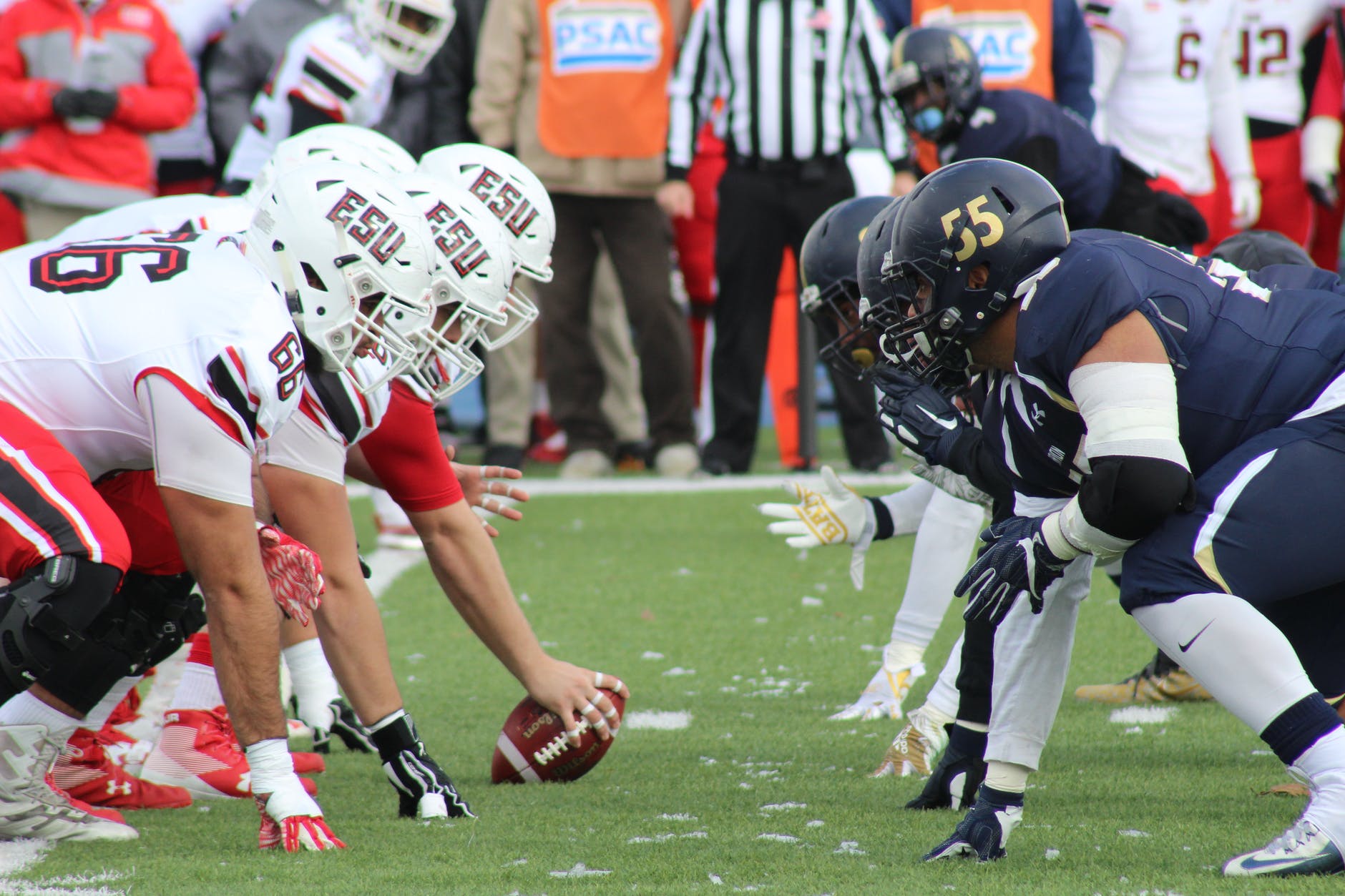
Investing in sports has become a profitable strategy, but multibillion-dollar valuations have narrowed the pool of possible principle investors. In simple terms, there are not enough billionaires to support a thriving franchise investment market. Such demand-side scarcity would lead to a stagnating investment market unless substantial changes in how sports entities are purchased and owned are made. Sports leagues have recently demonstrated ingenuity in modifying their regulations to attract a new type of financing.
Traditionally, potential sports investors dealt with the problem of skyrocketing franchise prices by adopting leveraged buyouts (LBOs), in which a club’s purchase is funded with debt secured by its own assets. LBOs, on the other hand, are generally disliked by fans and leagues alike, who fear that repaying the revolving debt involved would act as a destabilizing market force, consuming cash that could be better spent on improving club performance. Stakeholders are increasingly discovering that private equity firms’ minority investments might be the appropriate answer for sustaining franchise valuation growth without the danger of an LBO or similar financing plan.
Minority ownership in sporting entity is not a new concept, but it is becoming more common and beneficial to both new and existing owners. Existing owners can access liquidity by selling non-controlling holdings in sports franchise, allowing them to cash out on a percentage of their investment’s unrealized appreciation while maintaining influence over management and day-to-day decisions. Minority investors are offered the option to participate in a high-growth, uncorrelated asset class with almost assured revenue streams over the medium to long term. Lucrative broadcast rights deals, which promise hundreds of millions of dollars in guaranteed revenue over contract spans that approximately, correspond to conventional investment fund holding periods, often support investor’s decision to influx funds.
WHAT IS THE WAY AHEAD?
The Indian sports sector is one of the most important developing national marketplaces, with several potentials for corporate advancement. Private equity inflows will undoubtedly assist in driving and energizing the industry, allowing sports to resume normal operations and remain a successful investment strategy in the post-pandemic age. Some significant corporations, such as Adani Group and JSW, are presently using social private capital, which has to be made easier to use. For a long time, the industry has advocated that all Olympic sports investments, including marketing and league losses, be made through the CSR fund. To make some of these concepts work, the government, sports federations, and other important parties must agree on working frameworks. For the most part, their goals are straightforward: to make India a sporting superpower, and to do it in a dispersed, long-term manner across the country.
 LAWBEES