
INTRODUCTION
The rapid expansion of businesses into markets with increasing marketing and branding cost has necessitated name protection. Irrespective of the scale of the fashion business whether an established organization or a start-up, your brand is the most crucial part of your business. Consumers will try to coordinate your brand with specific quality, styles and experiences. Most fashion entities invest a great amount of time and capital in setting up a strong utility with their target users via their branding skills.
BRAND PROTECTION INITIATION
With the passage of time, culture, economy, and time, the Indian fashion industry has exploded across the country because fashion isn’t just about clothes; it also includes a wide range of luxurious goods and products. However, the growth of the fashion industry is always in jeopardy because creativity and designs are more easily copied. The fashion business and intellectual property are inextricably linked. The intellectual works of an individual are the creativity in the designs that are recognised as fashion, and laws strive to preserve those creations by granting rights to those creators, including the exclusive right to use and profit from the innovative creations.
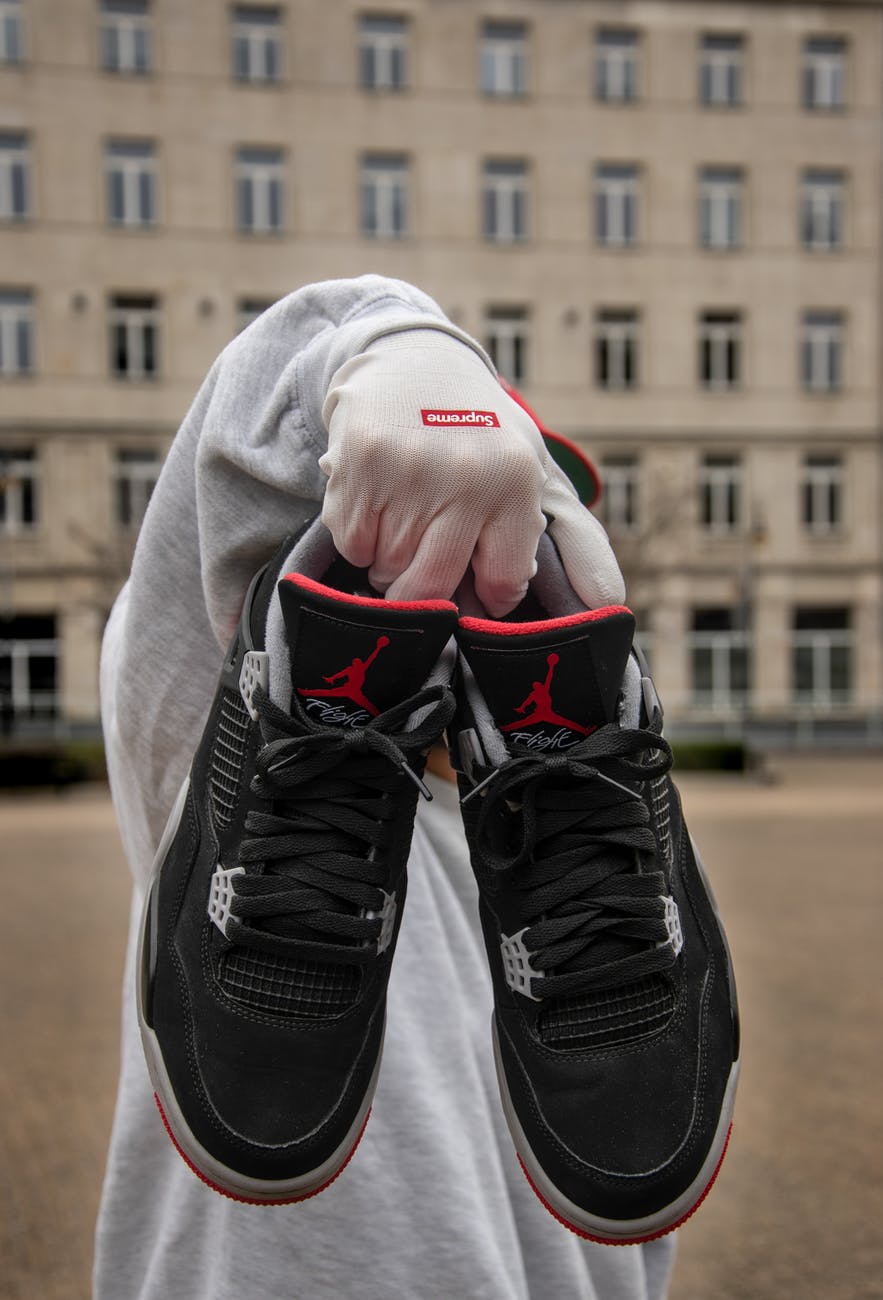
In the fashion business, the registration of the Trademark is the way by which such a brand obtains brand name protection. Therefore Trademark can be used to protect the brand name, business name, slogan, logo, design and more in fashion business start-ups. Therefore, businesses planning to invest significantly in branding or brand promotion are required to obtain trademark registration thereafter. Despite there being various trademarks their objective is common which is to allow consumers to identify their goods and services originated/designed or manufactured by a particular entrepreneur. A trademark obtains the ability to enable an entrepreneur to display his/her brand to the public as a registered trademark containing such a symbol informing the people in general and alerting the infringers.
TRADEMARK REGISTRATION
Application for trademark registration must be filed under one or more of the trademark classes that relate to the goods or services to be offered by the business. Trademark registration is however a long process that could take over a year or so. Therefore, an application for trademark registration must be made as soon as possible, and the trademark application must be tracked until the trademark is registered. Once the trademark is registered, the required symbol can be placed next to the brand to put others on notice that the brand is a registered trademark. Trademark registrations are prevalently used to protect unique brands, slogans, invented terms etc. but each class of person or entity has its own set of requirements when it comes to filing a trademark application. In India, the following are eligible for trademark registration. In India, the Trademark Act, of 1999 permits you to register a trademark. It allows for exclusive ownership rights and prohibits others from using the mark, favouring the registered mark’s owner.
IMPORTANCE OF TRADEMARKS FOR THE FASHION INDUSTRY

The fashion industry’s overall growth is dependent on trademarks. To create a profit from their commercial activities, fashion companies rely mostly on their brand value. A registered trademark protects an infringer from plagiarising a fashion brand for commercial gain. For fashion start-ups and small businesses, trademark registration works as a safeguard. However, if the brand is not protected through trademark filing and enforcement, buyers may encounter the same quality and style/designs elsewhere, affecting the entrepreneur’s marketing/branding efforts. It takes a long time and a lot of effort to build a brand, so make sure you have the right to use your logo, tagline, product shape and packaging, sound, aroma, colour combinations, and anything else that gives it a distinct character.
A trademark is a type of intellectual property that ensures the identity of a logo, word, or another mark so that it can be shown as a product and distinguished from its competitors. Under the Trade Marks Act of 1999, trademark law covers not only the protection of logos and brand names but also other distinguishing characteristics of a product. Trademarks can also be etched inside the goods or displayed discretely on certain elements, such as buttons. Trademark law has given rise to the idea of “trade dress,” which refers to the overall appearance of an item, such as its size, shape, colour or colour combinations, texture, or designs. Christian Louboutin vs. Pawan Kumar and Ors [CS(COMM) 714/2016] was a landmark case in which the plaintiff, Christian Louboutin, sought a permanent injunction and compensation claims from two businesses that were selling counterfeit Red Sole Shoes. The defendants were ordered to pay a total of Rs. 10.72 lakhs in damages and were permanently barred from selling the counterfeited product, according to the court’s ruling. In his ruling, the Judge declared Christian Louboutin to be a well-known brand, a highly sought after tag for any business owner. The successful prosecution of the defendant shoe store owners for infringement of Louboutin’s trademark is one of the best examples of how a designer or brand owner needs to protect their property.
FASHION LABELS CAN NO LONGER AFFORD TO IGNORE COUNTERFEITS
Brands can be utterly destroyed by counterfeiting. Of course, the most prominent targets have always been the biggest names in the fashion industry. The celebrity of these runway giants makes it easy for counterfeiters to make a quick buck. Young, up-and-coming fashion labels, on the other hand, are the most vulnerable. Any business’s early days are the riskiest. The line between make and break is razor-thin, and being a counterfeiter’s target can push a brand to its breaking point. For fashion brands, the most evident problem caused by counterfeiting is the damage to their reputation. These businesses must build a solid reputation and be regarded positively to obtain global visibility and stand out from the competition. As a result, when counterfeiters can copy trademarks and deceive customers, this reputation suffers greatly.
Counterfeit items also constitute a significant threat to the economy (due to the loss of money to the government), in addition to providing significant challenges to the earnings and brand values of well-known brands. Wilful counterfeiting is a term used in the fashion business to describe when purchasers purchase counterfeit goods while being conscious of the fact that they are counterfeit. This is due to the wide price difference between real and counterfeit goods.
CONCLUSION
The fashion industry is heavily reliant on creativity. While a lot of ingenuity helps firms get where they want to go, counterfeit fashion products are a threat to the industry. The fashion sector, in particular, is beset by counterfeiting issues, such as taking designs from popular works and applying them to another product, so infringing on the rights of the original legitimate owners.
Businesses today are more sensitive about their image and reputation, and they are willing to go to great lengths to reinforce their IP labelling.
Since fashion firms are a prominent target for infringers, they must protect their brand image and other valuable assets. As a result, fashion brand label registration in India is an essential step in building a successful business plan in the fashion sector.
While it is true that completely eliminating counterfeiting and keeping others from duplicating is nearly impossible, properly protecting the work decreases the risk of loss by decreasing the damage. As a result, it is critical for IP creators to remain vigilant at all times and to seek appropriate protection for their work. In addition, the government must analyse the recent trend of counterfeiting and establish a sui generis law specifically applicable to the fashion industry to preserve the country’s intellectual property and, in general, to improve the economy.
The fashion sector has advanced greatly in recent years, aided by liberalisation and bolstered by successful application and enforcement of intellectual property rules, but there is still much to be done. Designers are uninformed of IP rules and protections that can protect their creations and innovations from illegal and unlawful infringements, including passing off.
 LAWBEES